
Nolan Briggs, Senior editor
I'm the senior editor here. In practice that means I'm the one asking "where does it say that?" more often than anyone would like. A listing calls a kayak stable enough to stand in. Fine, but does the manual say so, or is it a photo of someone standing next to a dock? If neither the exact listing nor the manufacturer's spec sheet states it, it stays out of our verdict.
Most of my week is listings, manuals, warranty pages and owner reviews open side by side. I read the low-star reviews first. When several owners describe the same thing (a seat frame that bends, a drain plug that weeps, a hull that arrives dented), it goes into the notes for that kayak and usually into its verdict.
I write the guides on choosing a first fishing kayak, on sit-on-top versus sit-inside hulls and on length and width, and I edit most of the others.
My promise is simple: every number we quote comes from a page you could open and check yourself.
Areas of expertise
- Choosing a first fishing kayak
- Sit-on-top vs. sit-inside hulls
- Length, width and hull weight on paper
- Owner reviews: cracks, leaks, sagging seats
- Keeping the rankings current
How I work
- Every figure I quote (length, width, hull weight, capacity) comes from the exact listing or the manufacturer's spec sheet, with its unit.
- I sort owner reviews lowest rating first and keep a tally of the complaints that keep coming back.
- When a kayak is replaced by a new model year or its price moves, I go back through the ranking it sits in.
- I edit the guides I didn't write, and I cut any sentence that promises more than the listing does.
Articles by Nolan Briggs
Written
 Buying and rigging
How to Choose a Fishing Kayak: Start With Your Load
How to choose a fishing kayak in five steps: load and capacity, sit-on-top or sit-in, paddle or pedal, length for your water, and transport.
Read the guide Buying and rigging
Sit-on-Top vs Sit-Inside Fishing Kayaks: Which to Choose
Sit-on-top or sit-inside kayak for fishing? Stability, getting in and out, cold water, storage and weight compared, with the models we rate.
Read the guide Buying and rigging
Fishing Kayak Length and Width: What the Numbers Mean
How fishing kayak length and width affect stability, speed, tracking, transport and storage, with the stated dimensions of the kayaks we rate.
Read the guide Buying and rigging
Tandem Kayak Weight Limit: How Much Can a 2-Person Kayak Hold?
Tandem kayak weight limits: most 2-person kayaks state 400 to 800 lb for the whole boat. See 13 listed capacities and what each leaves for two adults.
Read the guideEdited
 Buying and rigging
Pedal vs Paddle Fishing Kayaks: Which Is Right for You?
Pedal vs paddle kayak for fishing: hands-free control, weight, cost, shallow water and upkeep compared, with the pedal and paddle models we rate.
Read the guide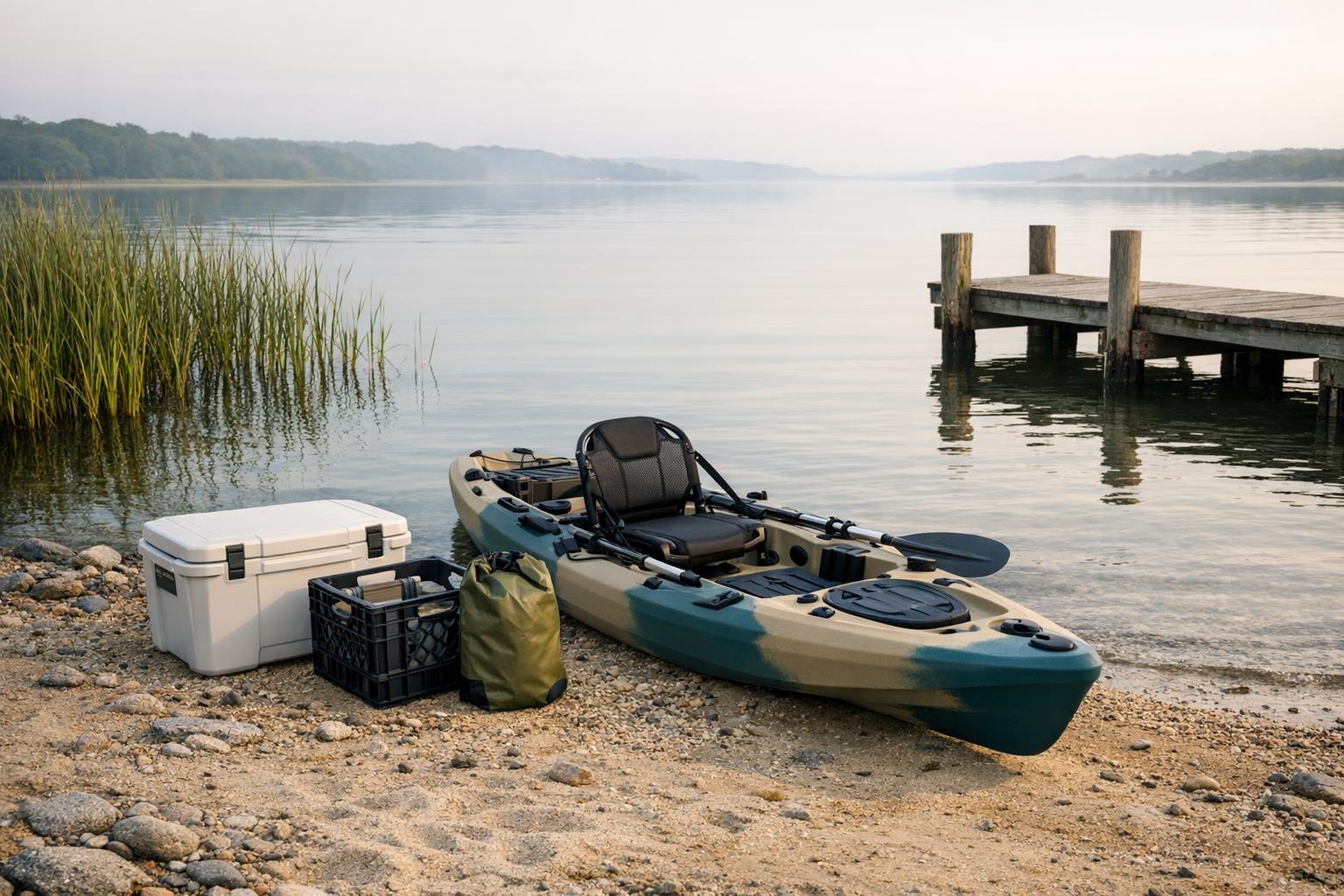 Buying and rigging
Fishing Kayak Weight Capacity: Weight Limit vs Usable Load
What a fishing kayak weight limit covers, why some makers print a lower usable capacity, and how to add up your real load before you buy.
Read the guide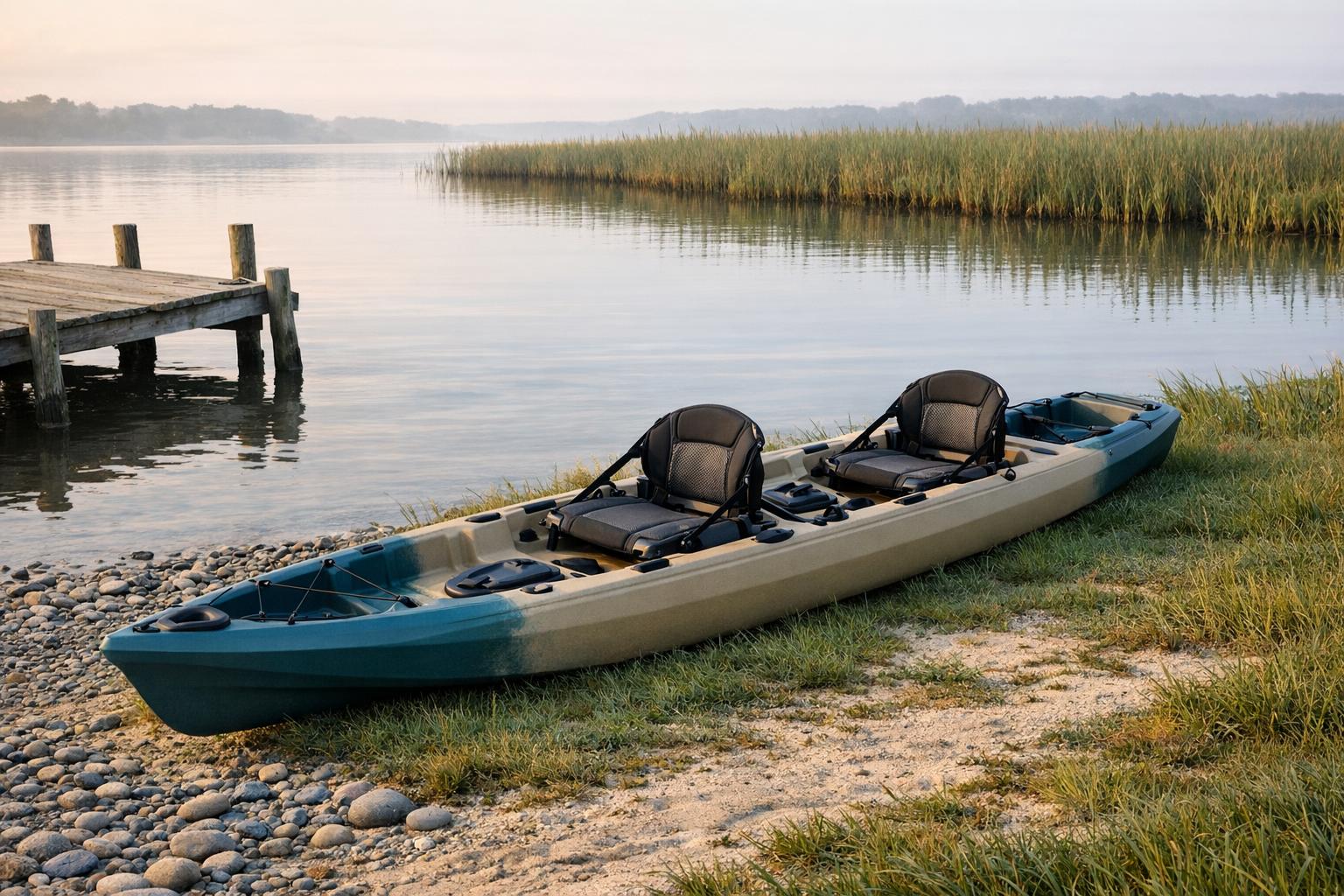 Buying and rigging
Tandem Fishing Kayaks: What to Check Before Buying for Two
Buying a tandem fishing kayak? Check shared capacity, seats, paddles, solo use and whether two single kayaks would serve you better.
Read the guide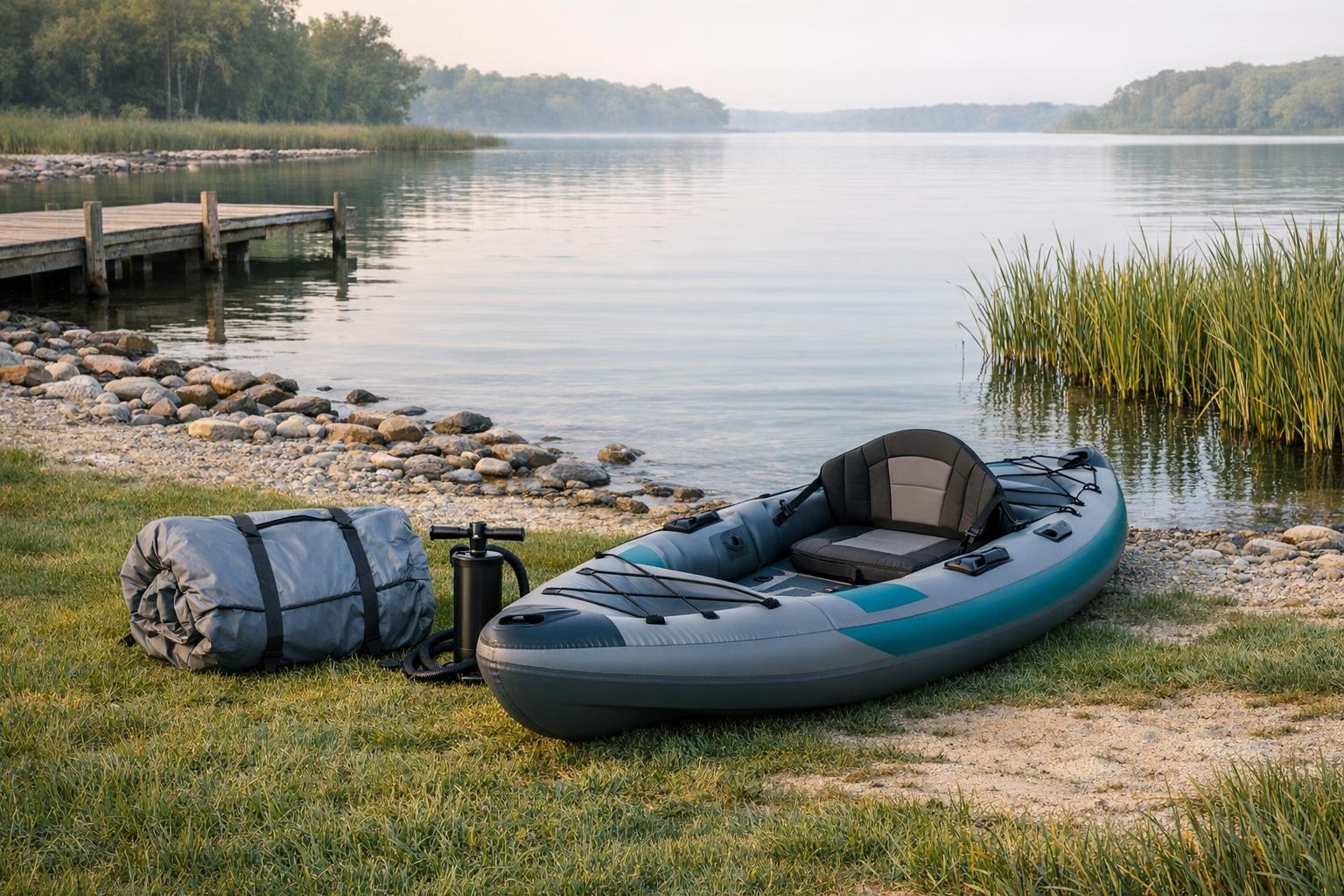 Buying and rigging
Inflatable Fishing Kayaks for Travel: Good Enough to Fish?
Are inflatable kayaks good for fishing? What they do well on trips, where hard shells win, what comes in the bag and how to care for one.
Read the guide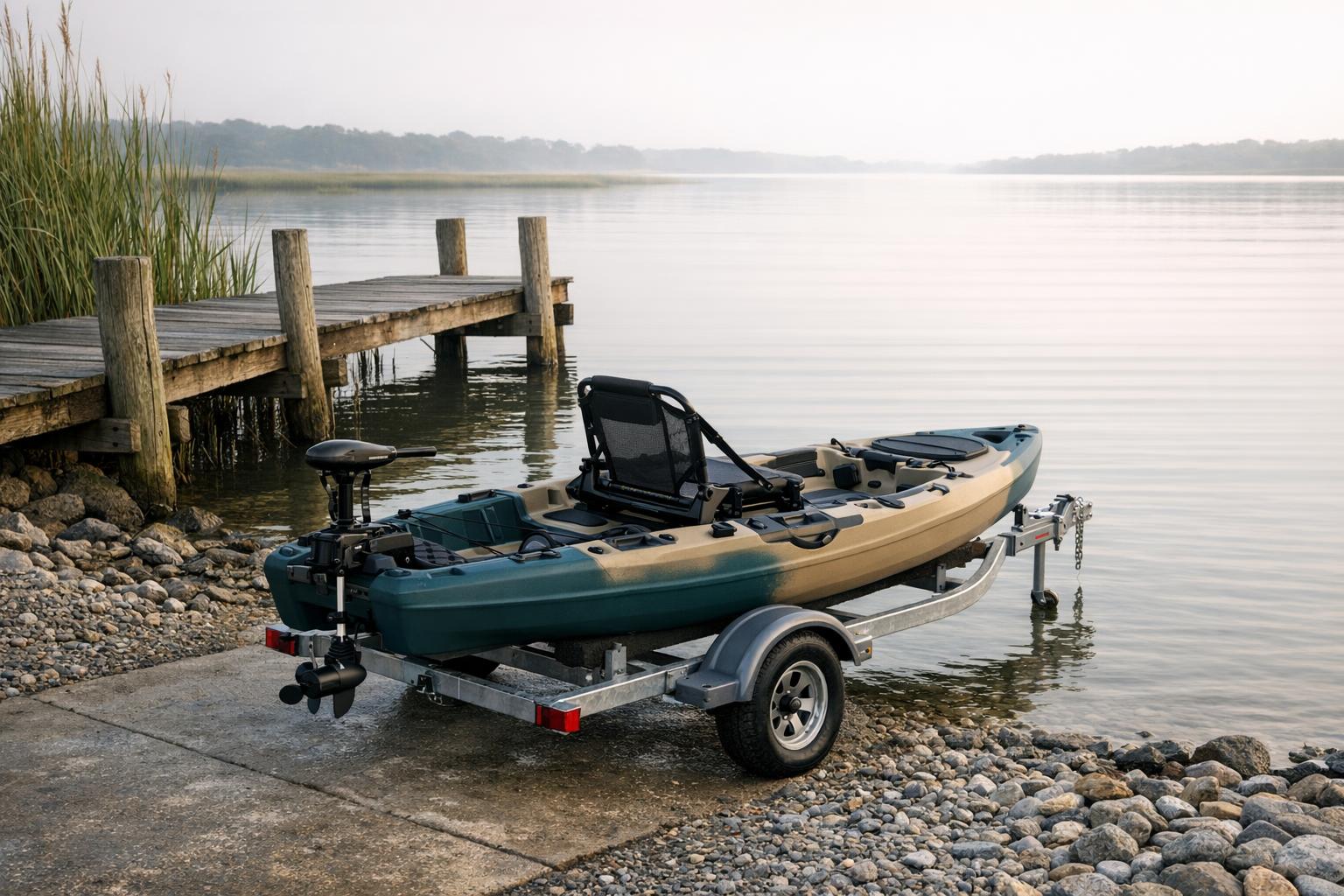 Buying and rigging
Motorized Fishing Kayaks: Motor, Battery and Registration
Buying a motorized fishing kayak? Check if the motor and battery are included, the usable capacity, hull weight, and the registration rules.
Read the guide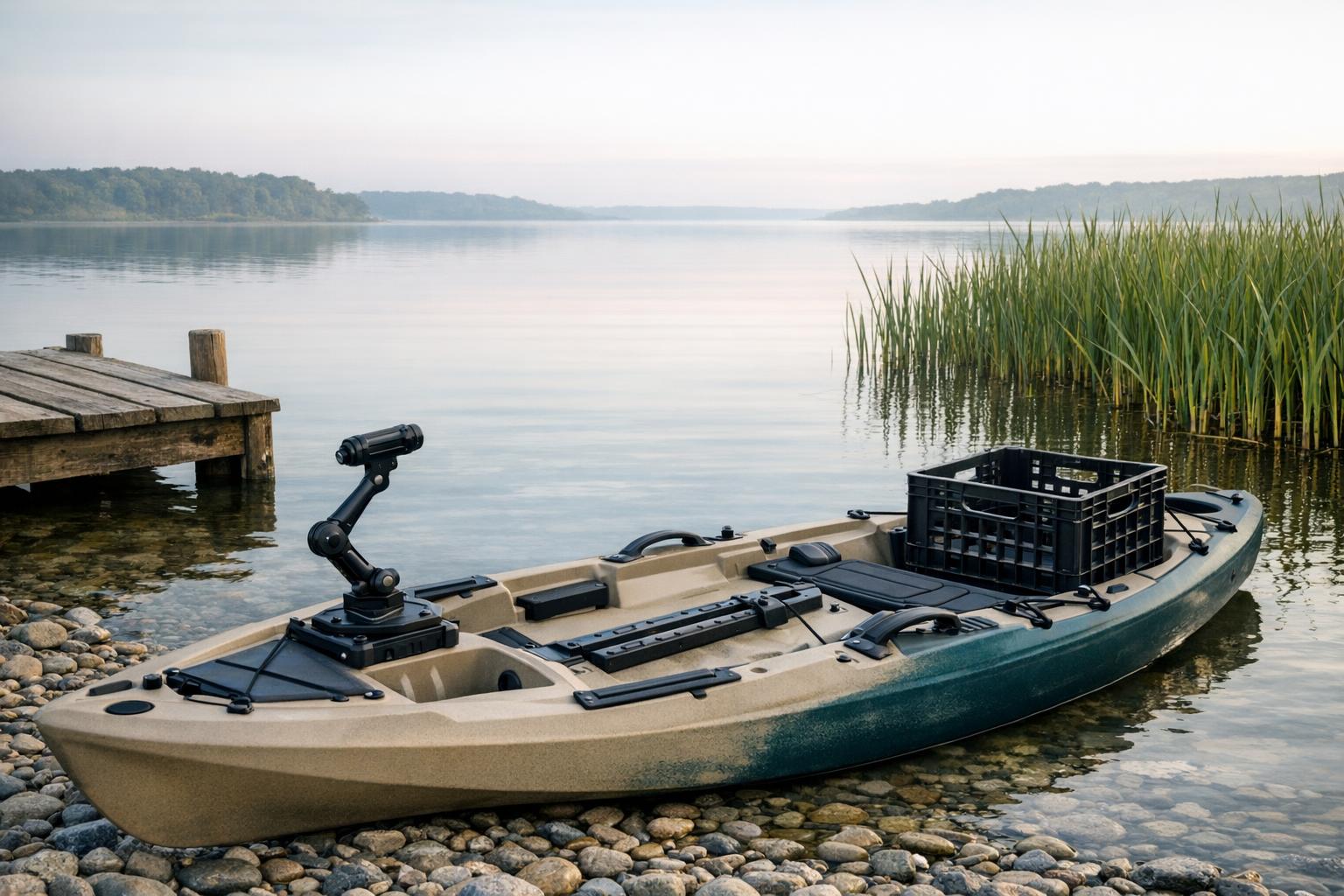 Buying and rigging
Fishing Kayak Accessories: Check the Exact Rail and Hull
Fishing kayak accessories that matter: life jacket, paddle, cart, crate, fish finder mount and anchor, and how to check each fits your kayak.
Read the guide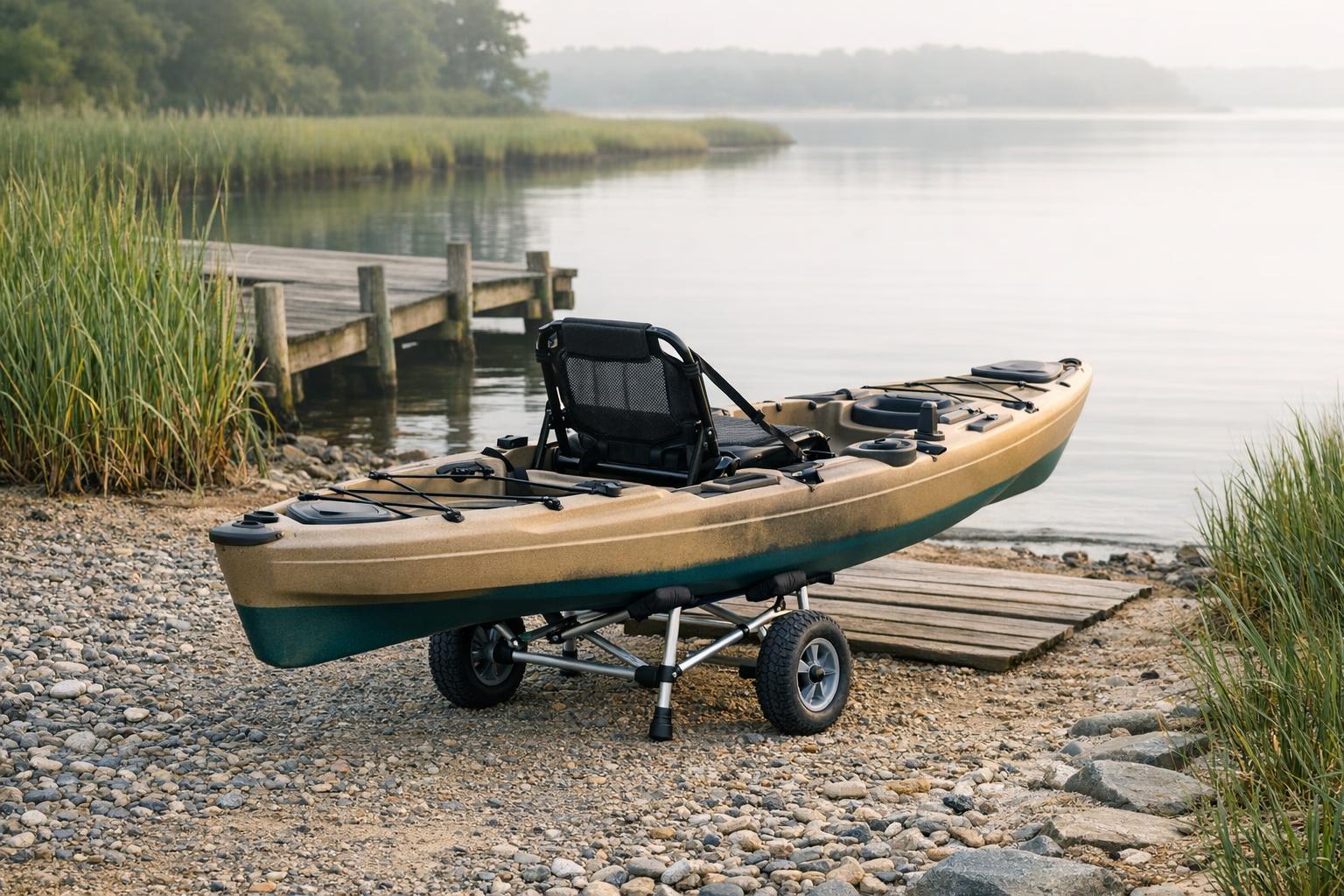 Buying and rigging
Transporting and Storing a Fishing Kayak: Weight and Space
How to transport a fishing kayak on a roof or in a truck bed, move it to the water with a cart, and store it so the hull keeps its shape.
Read the guideHow we compare and rate the kayaks is explained on How we rate. The rest of the team: Our editors.