
Teresa Quintero, Capacity & transport editor
I'm the one with the calculator open. A listing says 450 pounds and that sounds like plenty, until you add yourself, a cooler, a crate of tackle, a pedal drive and maybe a second angler on a tandem. Some manufacturers publish a second, lower figure for comfortable use. Many don't, and I think that gap is worth knowing about before you order.
My work is mostly reading. Spec sheets for stated capacity, hull weight and length. Manuals for how a tandem converts to solo and what the seats really allow. Inflatable listings for the packed size, the packed weight and what's actually in the bag. Warranty terms for what they say about storage, sun and roof racks, which is often more than you'd expect.
Then come the owner reviews, sorted by the questions people ask once the kayak is home: can one person lift it onto the car, does the cart hold what it claims, does the inflatable dry out before the next trip.
I write the guides on weight capacity, tandems, inflatables for travel and transporting and storing a kayak. If a listing doesn't state something you need, the guide tells you it's missing.
Areas of expertise
- Maximum vs. usable weight capacity
- Tandem kayaks and shared capacity
- Inflatables: packed size, weight and what is in the bag
- Carts, roof racks and storage
- Warranty terms
How I work
- I add up angler, gear, cooler and drive before comparing anything to a stated capacity.
- I keep the maximum capacity and any lower recommended figure apart, and say which one a listing gives.
- Hull weight, length and packed size are copied from the spec sheet with their units, never rounded in a kayak's favor.
- I read warranty terms for storage, sun and transport clauses, and note who handles a claim when the listing says.
Articles by Teresa Quintero
Written
 Buying and rigging
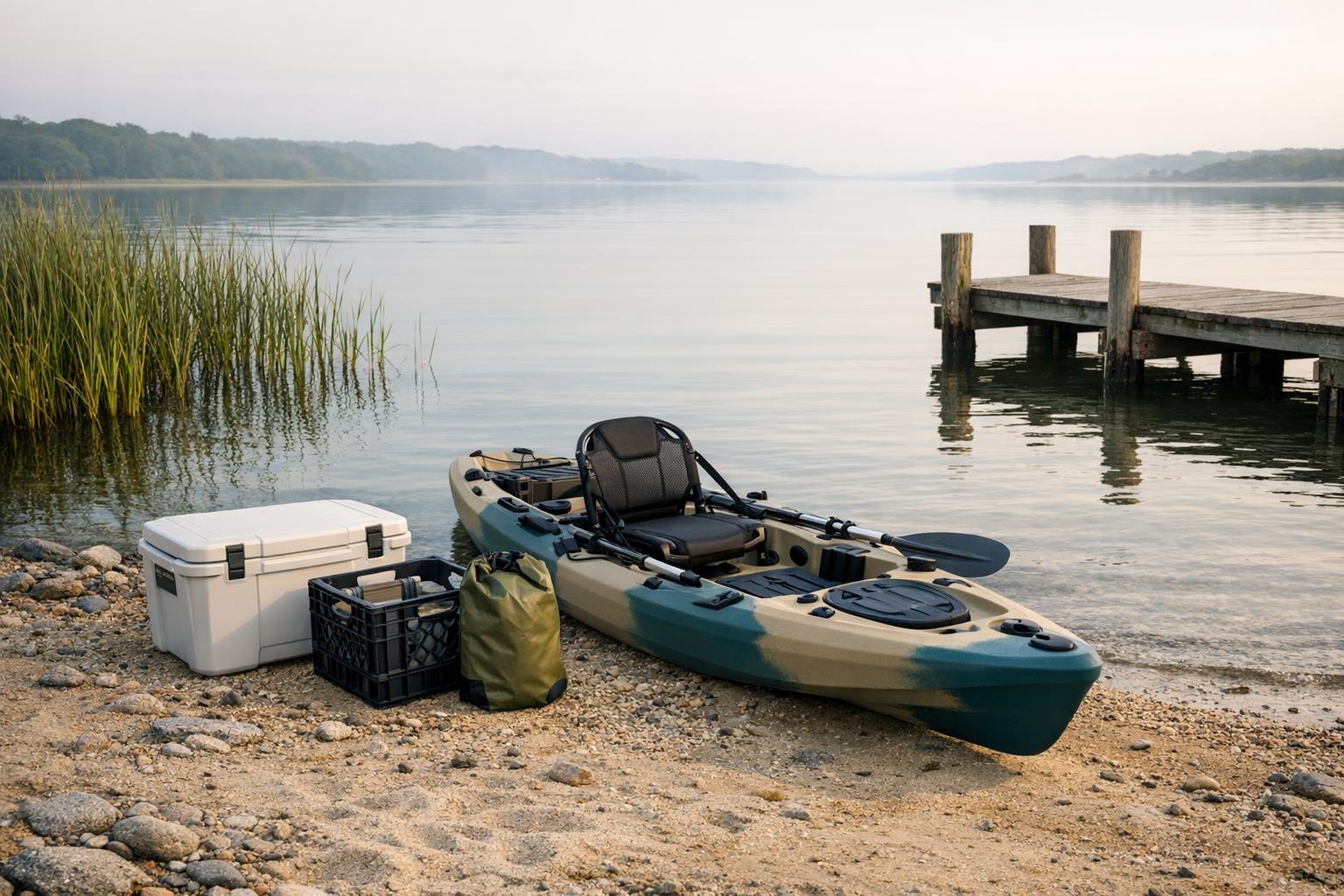
Fishing Kayak Weight Capacity: Weight Limit vs Usable Load
What a fishing kayak weight limit covers, why some makers print a lower usable capacity, and how to add up your real load before you buy.
Read the guide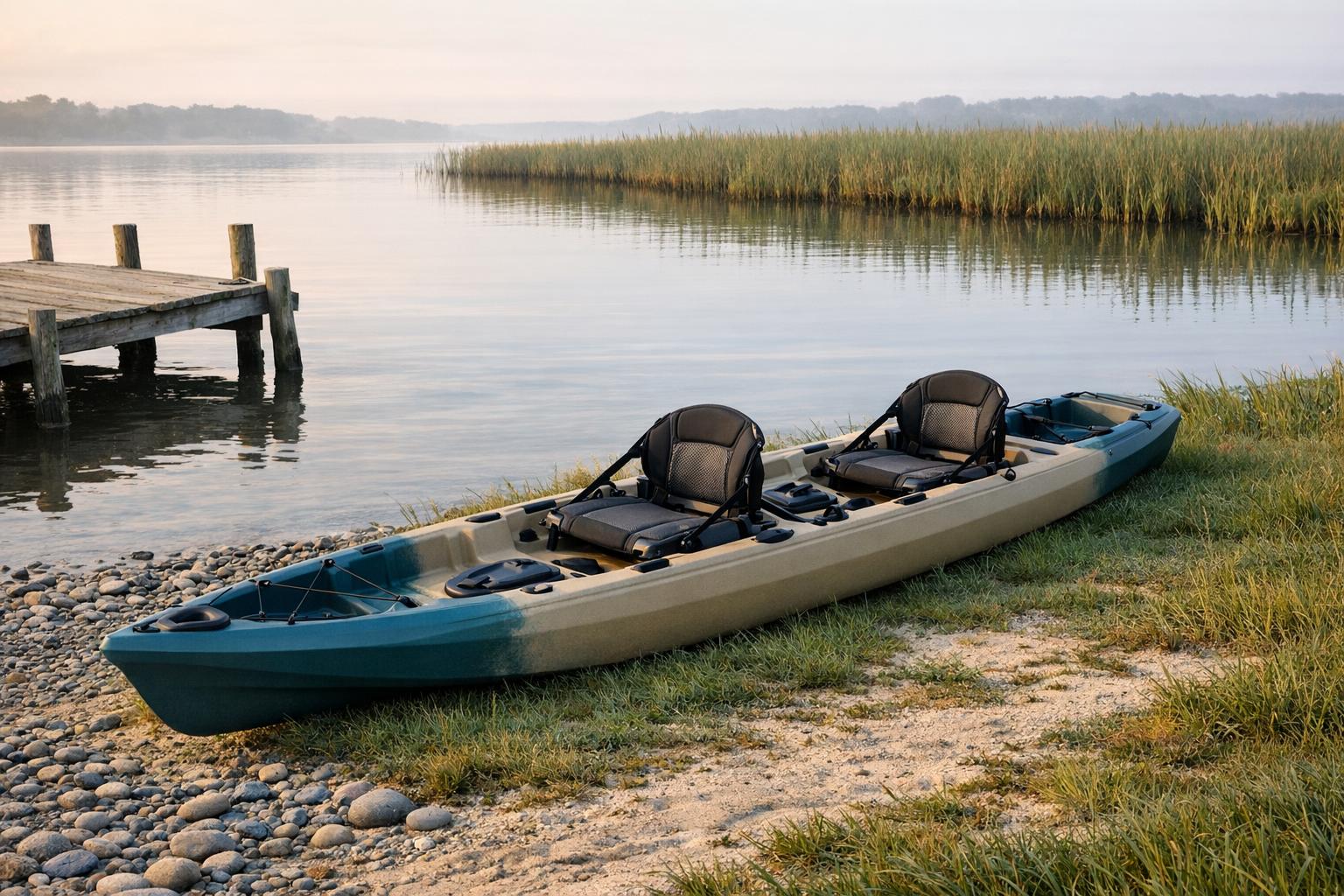 Buying and rigging
Tandem Fishing Kayaks: What to Check Before Buying for Two
Buying a tandem fishing kayak? Check shared capacity, seats, paddles, solo use and whether two single kayaks would serve you better.
Read the guide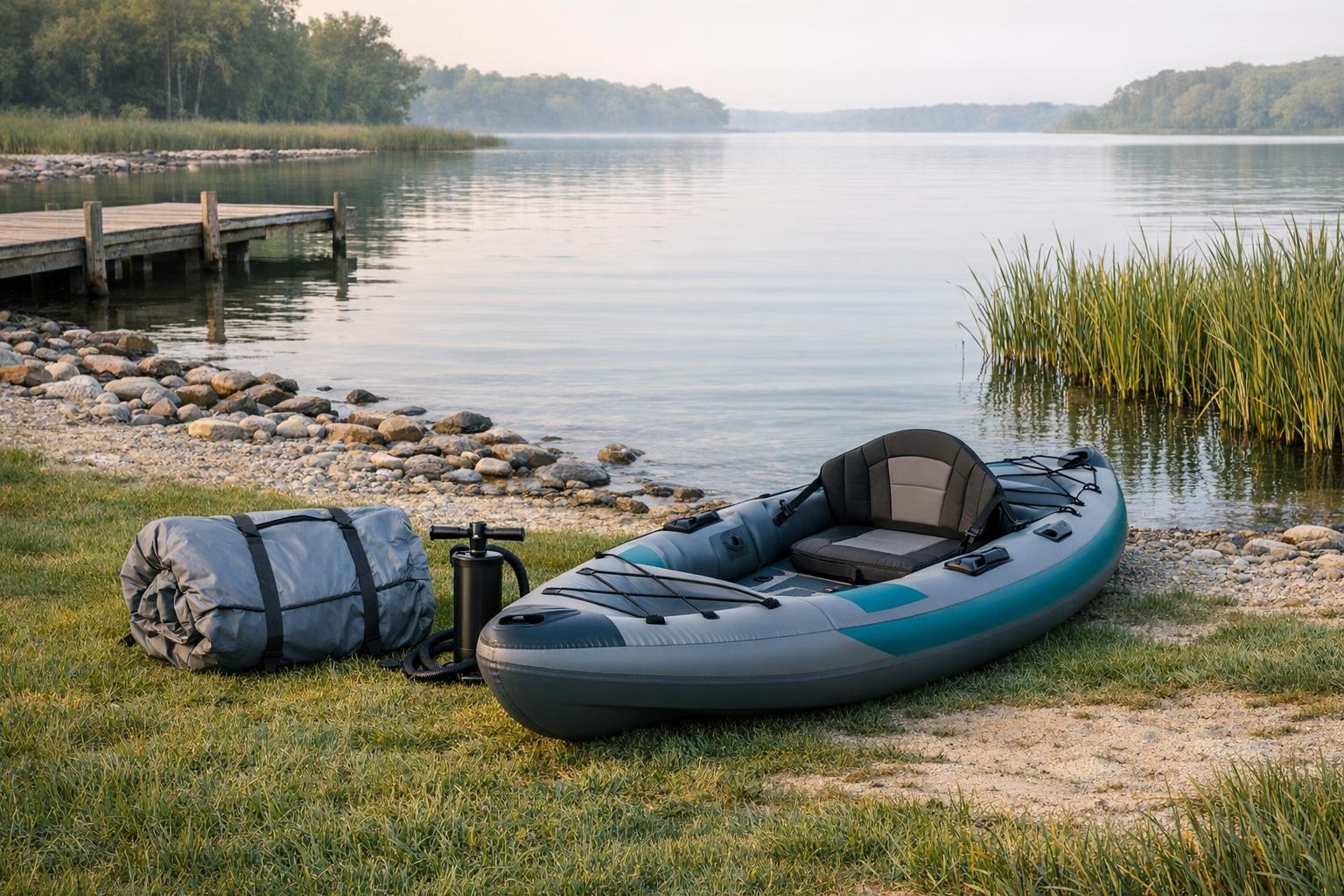 Buying and rigging
Inflatable Fishing Kayaks for Travel: Good Enough to Fish?
Are inflatable kayaks good for fishing? What they do well on trips, where hard shells win, what comes in the bag and how to care for one.
Read the guide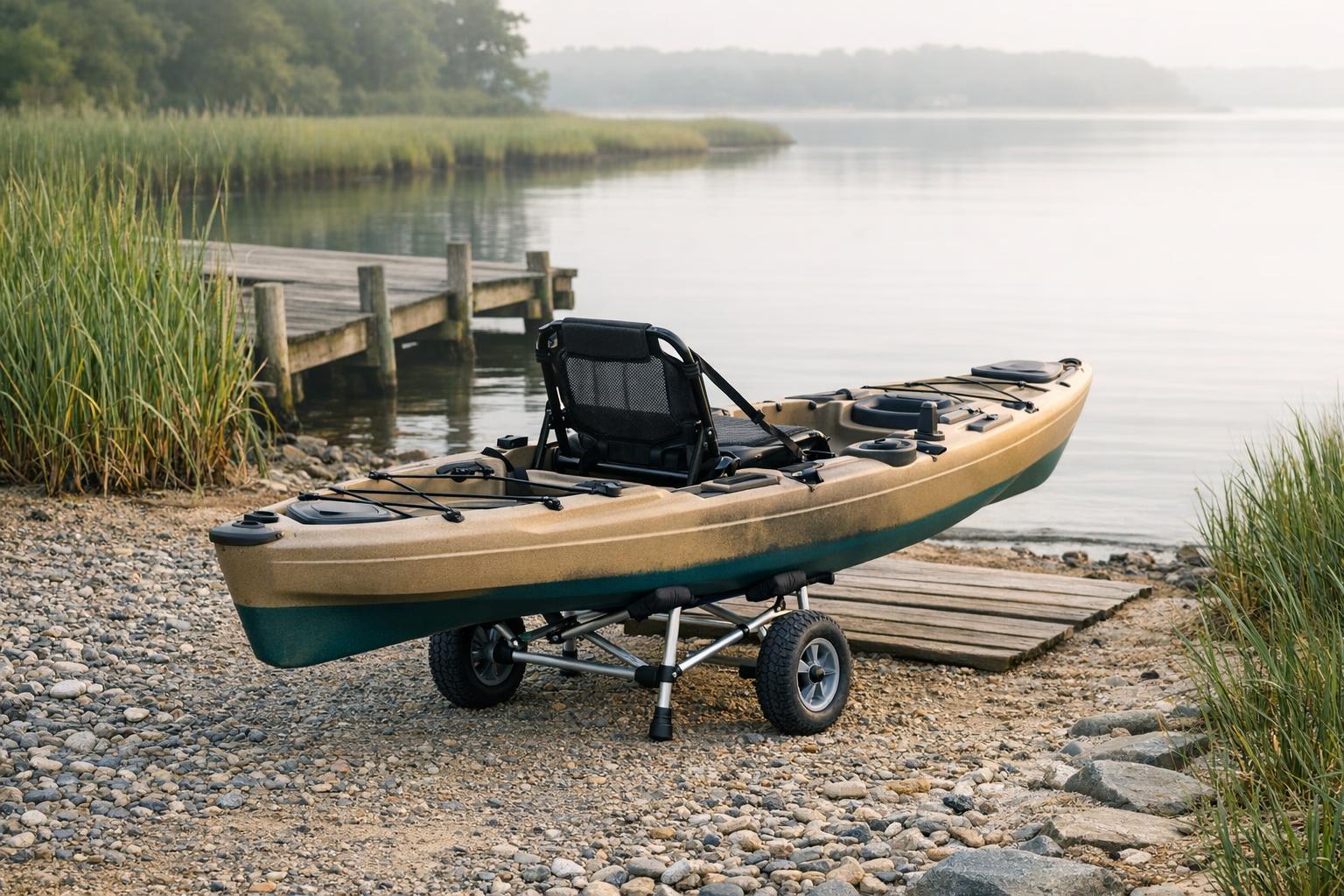 Buying and rigging
Transporting and Storing a Fishing Kayak: Weight and Space
How to transport a fishing kayak on a roof or in a truck bed, move it to the water with a cart, and store it so the hull keeps its shape.
Read the guideEdited
 Buying and rigging
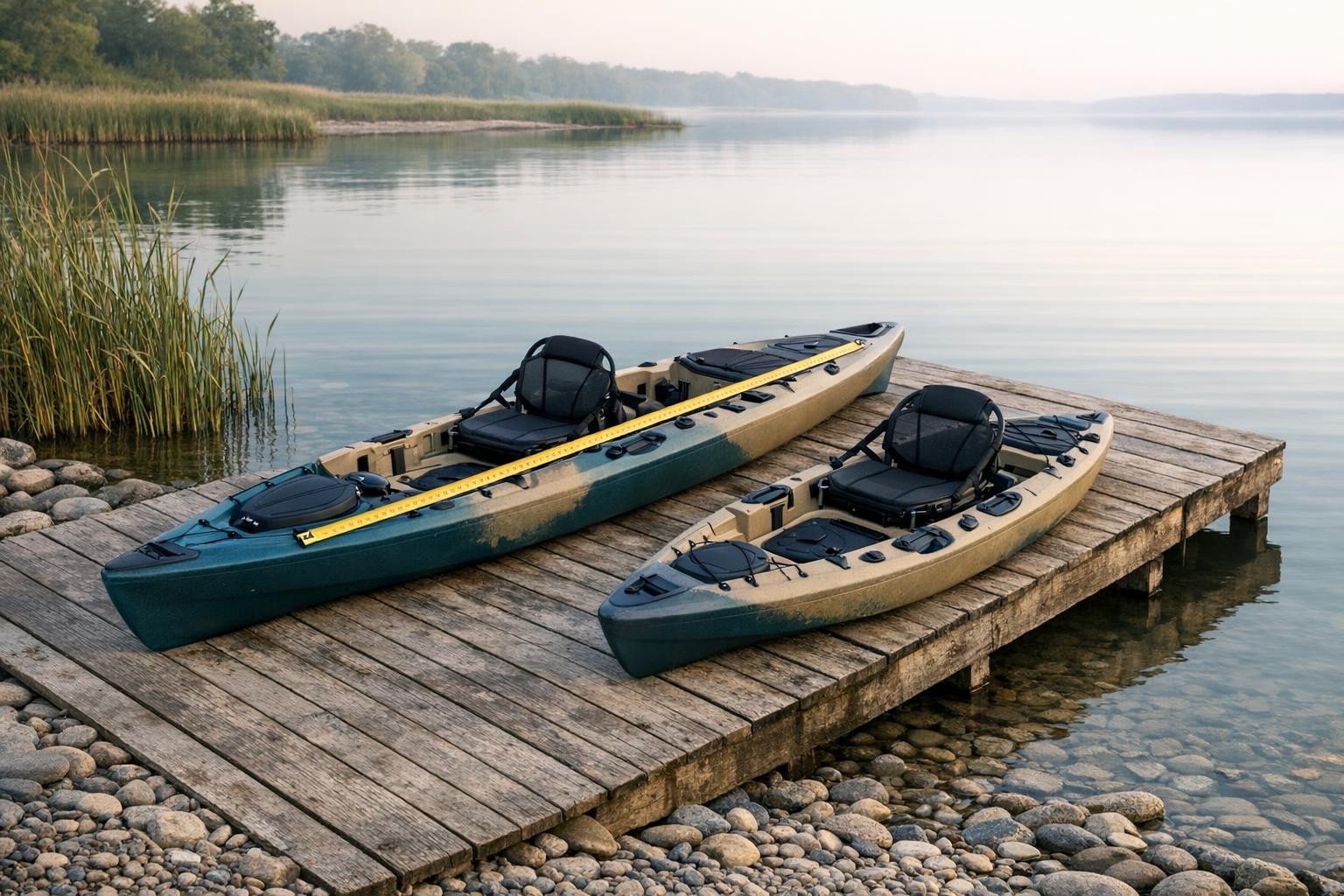
Fishing Kayak Length and Width: What the Numbers Mean
How fishing kayak length and width affect stability, speed, tracking, transport and storage, with the stated dimensions of the kayaks we rate.
Read the guide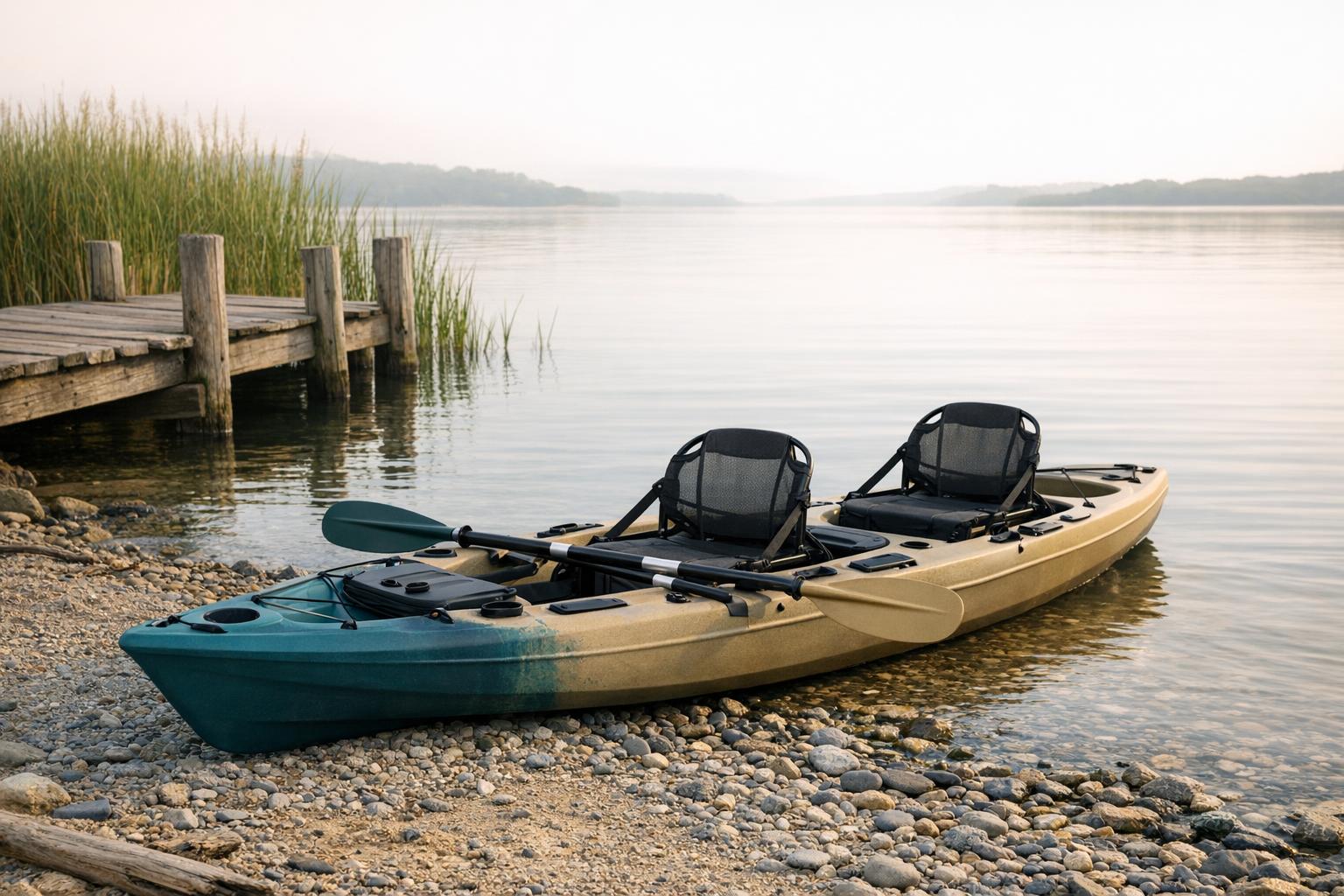 Buying and rigging
Tandem Kayak Weight Limit: How Much Can a 2-Person Kayak Hold?
Tandem kayak weight limits: most 2-person kayaks state 400 to 800 lb for the whole boat. See 13 listed capacities and what each leaves for two adults.
Read the guideHow we compare and rate the kayaks is explained on How we rate. The rest of the team: Our editors.